USB-C vs Lightning: What's the Actual Difference?
Not all USB-C ports are created equal — the connector shape is only half the story; the standard running underneath matters just as much.
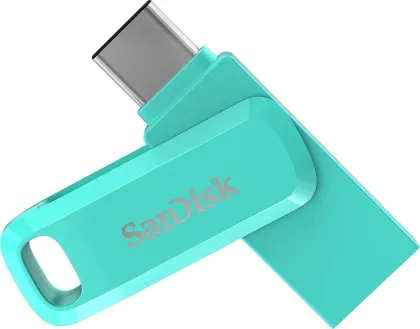
An open standard versus a proprietary connector
USB-C is an open standard, defined by an industry consortium (the USB Implementers Forum) and used by hundreds of different manufacturers, spanning Android, Windows laptops, and recent Macs alike. Lightning, by contrast, is a proprietary connector created and controlled entirely by Apple, used only on its own products — and increasingly less so, as Apple itself has been phasing it out in favor of USB-C. That difference in nature explains why USB-C cables are everywhere, at every price point, from any third-party brand, while a certified Lightning cable stays pricier and tied to Apple's ecosystem.
The trap: not all USB-C ports are equal
This is the most commonly misunderstood part: the shape of a USB-C connector guarantees nothing about what it actually carries. Two devices can have a visually identical USB-C port yet transfer data at wildly different speeds, depending on which exact version of the spec runs underneath (USB 2.0, USB 3.2, USB4 — each with its own tier of throughput). A budget "USB-C" cable or port can be limited to USB 2.0-era speeds from fifteen years ago, even though it looks like a cutting-edge port. For large file transfers or professional use, it's worth checking the exact spec advertised rather than trusting the port's shape alone.
Fast charging and the EU's push for one standard
On the charging side, USB-C generally supports higher and more standardized power levels through the USB Power Delivery protocol, which is part of why the European Union made USB-C mandatory on nearly all portable electronics sold within its borders starting late 2024. That regulation accelerated the entire industry's shift — Apple included — toward a single connector, with the stated goal of cutting down on the pile of mismatched chargers and cables everyone accumulates across devices.
What this actually changes for your accessories
In practice, USB-C becoming the norm simplifies life considerably: the same cable and charger can now serve a phone, a tablet, a laptop, and a pair of earbuds, regardless of brand. That's a real gain in simplicity compared to the era when every ecosystem forced its own connector on you. The one thing still worth checking when buying a cable or adapter is whether it actually matches your intended use (fast charging, video output, high-speed data) rather than assuming "USB-C" means the same thing on every product.
To browse chargers and cables available for your needs, check out the accessories selection.