OLED, QLED, Mini LED: which TV should you choose?
Three screen technologies, three different trade-offs between contrast, brightness, and price. Here's how to decide based on your room.
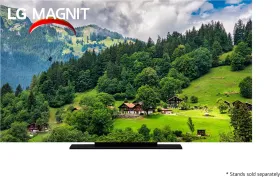
OLED: the best contrast, in a dark room
On an OLED screen, every pixel switches off individually, producing perfect black levels and unmatched contrast — ideal for watching movies at night with the lights off. The trade-off: peak brightness stays more limited than LED technologies, so in a very bright room during the day, the picture can look less vivid.
QLED and Mini LED: brighter, great in daylight
QLED (and its newer variant, Mini LED) relies on much higher brightness, which makes it more comfortable in a bright living room or for watching sports during the day. Contrast is a bit less deep than OLED, but the gap has narrowed considerably with Mini LED, which splits the backlight into many small zones to limit light halos around bright areas.
Size matters as much as the technology
A simple rule of thumb: the recommended viewing distance is often about 1.5 to 2 times the screen's diagonal (converting the inch measurement to centimeters). A TV that's too big for your available viewing distance will be tiring to watch, while one that's too small wastes the benefit of 4K. Measure your room before choosing a size.
Compare the refresh rate if you game
For video games or sports, a 120 Hz refresh rate delivers noticeably smoother motion than 60 Hz. It isn't a priority, though, for regular movie/series viewing. Use the comparison tool to put screen size, resolution, panel type, and refresh rate of several models side by side before choosing.