Best phones for serious photography
If photography is a practice, not just snapshots, Pro mode and RAW matter more than the megapixel count.
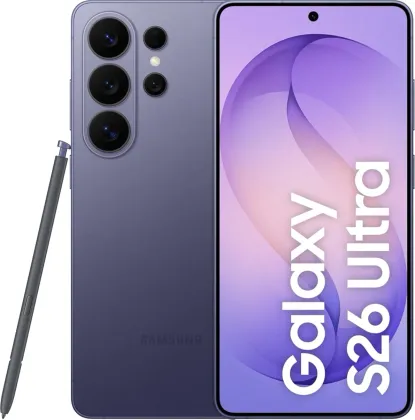
Pro (manual) mode is the real criterion for enthusiasts
For someone who practices photography rather than just "taking pictures," the central question isn't how good auto mode looks — it's whether you get full manual control: shutter speed, ISO, manual focus, white balance. A good Pro mode enables things like long exposures for light trails or creative night shots, which auto mode will simply never offer. Check whether the native camera app exposes these controls, or whether a compatible third-party app can access them fully.
RAW and sensor size: what actually gives you room in post-processing
Unlike casual photography where the phone's processed JPEG is enough, someone who edits their images wants RAW format (often DNG), which preserves all the sensor's raw data for finer processing later. This is where physical sensor size matters again: a larger sensor captures more light and gives more room to work with in post (recovering highlights, reducing noise) than pure software processing can fully substitute for. Computational photography (frame stacking, AI processing) is excellent for an instant JPEG, but a clean RAW file is still what you want if you plan to rework an image later.
Video stabilization for near-professional-level content
For creative use (vlogging, short films, timelapses), stabilization becomes a criterion in its own right: beyond standard OIS, some phones offer advanced electronic stabilization close to gimbal-level smoothness, useful for walking shots without extra gear. If you're planning creative video work, also check for a log mode or flat color profiles, which give more latitude for color grading afterward.
Storage and workflow: thinking past the moment you press the shutter
RAW files and high-resolution video take up serious space — a point that's often overlooked. A phone with limited internal storage forces constant culling or reliance on the cloud, which breaks your workflow in the field. If you edit directly on the phone, processor power matters too: heavy RAW editing apps (Lightroom mobile and similar) are demanding, and a mid-range chipset can struggle with large files.
Compare models suited to a demanding practice
These criteria — Pro mode, RAW, sensor size, video stabilization — don't always show up clearly on a standard marketing spec sheet. The ranking of the best camera phones lets you compare recent models on exactly these points rather than guessing from a generic spec sheet.