Best Laptops for Programming
A good developer laptop is judged by its RAM and keyboard far more than by its gaming benchmarks.
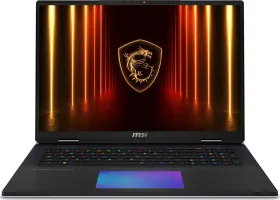
RAM: your most heavily used resource day to day
A modern development environment is memory-hungry: an IDE open, several browser tabs, one or more Docker containers, maybe a virtual machine — all often running at once. It's RAM, far more than raw clock speed, that determines whether all of this stays smooth or your machine starts crawling the moment you spin up one more service.
The processor: compilation shows no mercy
Compiling a large project, running a test suite, or building a Docker image are tasks that push every CPU core hard at once. A processor with a solid core count and sustained performance under prolonged load concretely cuts down the waiting time between code iterations — a gain repeated dozens of times a day that adds up over the long run.
Keyboard and screen: your companions for long sessions
You'll spend hours every day typing code and staring at your screen: a comfortable keyboard with good key travel, and a sharp display with enough resolution to show plenty of code without eye strain, matter far more than they might seem to at first. A matte screen also cuts down on glare during long sessions in bright environments.
Battery life and Linux compatibility
If you sometimes work away from an outlet, real battery life under development workloads (not just video playback) makes a genuine difference. And if your stack relies on Linux or Unix command-line tools, check the specific model's hardware compatibility with common distributions before buying — some recent components still cause driver headaches.
Compare models suited to these criteria on our best laptops by performance ranking.