Fitness Smartwatches: What Actually Makes a Difference
A reliable heart-rate sensor and built-in GPS matter far more than how many features are listed on the box.
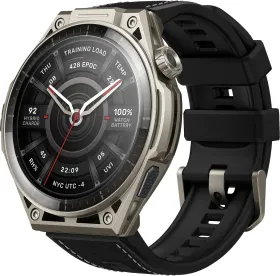
Sensor accuracy matters more than sensor count
A watch can list heart rate, SpO2, and sleep tracking without any of those measurements being particularly reliable — accuracy depends on the quality of the optical sensor and the algorithms interpreting its data, not just whether the feature exists on the spec sheet. A low-quality heart-rate sensor can produce wildly off readings during intense effort, which is exactly when accuracy matters most. It's a hard thing to judge from a spec sheet alone before buying, but it's a far more decisive factor than the raw list of sensors present.
Built-in GPS vs. phone-dependent GPS: a real difference outdoors
For running, cycling, or hiking, a watch with its own built-in GPS can record an accurate route without the phone along for the ride — genuinely useful for running light. A watch without its own GPS chip depends on a nearby phone for location, which limits its usefulness to outings where carrying the phone is acceptable. This distinction, often buried at the bottom of a spec sheet, changes daily usage significantly for anyone who trains outdoors regularly.
The real trade-off: battery life versus location accuracy
Continuous GPS is one of the most power-hungry features on a smartwatch: heavy GPS tracking during workouts can knock battery life down from several days to just a few hours. Some watches offer power-saving GPS modes that space out location readings to preserve battery, at the cost of a slightly less precise route. For anyone doing long sessions (trail running, multi-hour hikes), battery life specifically under active GPS use is worth checking precisely rather than trusting the manufacturer's "typical use" battery figure, which is almost always optimistic.
Water resistance and the app ecosystem: the details that matter after purchase
For swimming, the water-resistance rating (usually given in ATM or a depth figure) needs to actually match pool or open-water use — mere "splash resistance" isn't enough. Finally, the companion app determines whether the data a watch collects (heart rate, sleep, workouts) is genuinely usable: whether it can be exported, how long history is retained, and whether it plays well with other fitness apps. A watch with excellent sensors but a closed, clunky app can end up less useful in practice than a more modest model that integrates well with an ecosystem you already use.
To browse smartwatches and wearables currently available, check out the electronics selection.