Eco Eye mode: energy saving that follows people around the room
How this sensor detects occupants to adjust airflow, and why it can sometimes get it wrong.
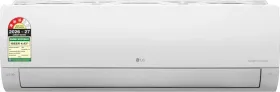
The idea: matching airflow to actual occupancy
Eco Eye mode detects where occupants are in the room to direct airflow accordingly — direct or indirect, depending on the chosen preference. It works in both Cool and Heat mode, but stops automatically if the horizontal or vertical louvers are moved manually, and during Dehumidify and Sleep modes.
Sensor range and limits
The sensor covers roughly a 5-meter area at a 2.3 m installation height for seated occupants, across a 120° horizontal and 90° vertical angle — this range can vary depending on the actual installation height. If two or more people are detected in different zones, the unit switches to Auto Swing to cover the whole room.
Detections that can sometimes be fooled
Heat-emitting objects (TVs, monitors), moving curtains, sunlight, or reflected light can be mistaken for a person. Conversely, thick clothing can reduce detection sensitivity and wrongly trigger energy-saving mode. With no detection for 20 minutes, the unit automatically switches to Energy Saving mode, with a tolerance of +2°C in Cool or -2°C in Heat relative to the set temperature; this mode won't activate above 28°C room temperature. Avoid placing large objects, heaters, or humidifiers near the sensor, and don't bump it — either can disrupt detection or damage the system.
This guide is about
LG AS-Q18DNXE 1.5 Ton 3 Star 2026 Inverter Split AC