Charger and power bank: which one should you choose
The watts printed on the box don't tell the whole story — here's how to avoid paying for power your device can't even use.
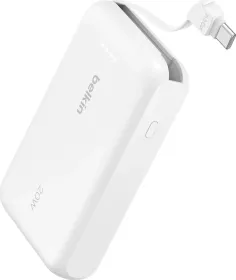
Charger power should match the device, not exceed it at all costs
A smartphone that maxes out at 25W won't charge any faster with a 65W charger plugged into it — it's the device that caps the speed, not the charger. That said, a more powerful charger is still useful if it's also going to charge a laptop or tablet that can actually make use of that power.
Power bank: the actually usable capacity is lower than the advertised figure
A 10,000 mAh power bank in practice delivers only about 6,500-7,000 usable mAh, due to energy conversion losses. To estimate how many full charges it will give you, compare that real-world figure to your device's battery capacity rather than the number printed on the box.
Fast charging: check standard compatibility, not just the watts
There are several fast-charging standards (USB Power Delivery, Quick Charge, and various proprietary standards depending on the brand) that aren't always compatible with each other. A powerful charger with the wrong standard may only charge at normal speed — check that the charger's standard matches what your device supports.
Compare capacity, power, and weight together
For a power bank meant for travel, weight and bulk matter as much as the advertised capacity. The comparison tool lets you weigh capacity, charging power, and price across several models to find the right trade-off for your use (an occasional top-up versus extended battery life on the go).