How to choose the right refrigerator
Capacity, energy rating, No Frost: the three criteria that really determine day-to-day comfort and your electricity bill over 10 years.
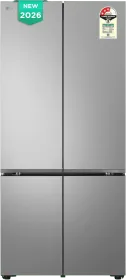
Capacity should be calculated for your household, not your available space
A common starting rule: about 100-150 liters for a single person, plus 50 extra liters per additional household member. A fridge that's too big for the household wastes electricity cooling empty space; one that's too small means more frequent grocery trips. Also measure the available spot (width, depth, door clearance) instead of relying on the liter figure alone.
The energy rating changes your bill, not just your carbon footprint
A refrigerator runs 24/7 all year round — it's one of the appliances that weighs most on your electricity bill over time. The gap between a low and a high energy rating can amount to dozens of kilowatt-hours a year, which ends up offsetting a higher purchase price within a few years of use.
No Frost: less hassle, a bit more noise
No Frost technology means you never have to manually defrost the freezer, at the cost of slightly higher power use and a fan that can sometimes be heard. For hassle-free daily use, it's almost always the right trade-off; a model without No Frost only makes sense if total silence or a tight budget matter more to you than low-maintenance comfort.
Compare capacity and energy rating together
Two refrigerators of the same capacity can have very different power consumption. Use the comparison tool to put capacity, energy rating, and price side by side across several models, instead of choosing based on size or purchase price alone.