AMOLED vs OLED: a very common false opposition
AMOLED isn't a competitor to OLED — it's a type of OLED, and that mix-up makes people miss the criterion that actually matters.
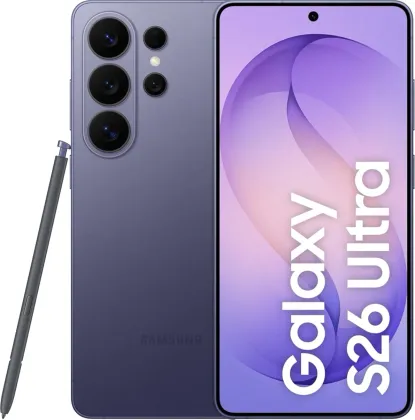
A very common mix-up: AMOLED is not an alternative to OLED
Spec sheets often list "OLED display" and "AMOLED display" as if they were two competing technologies, which makes it sound like you have to pick one. In reality, OLED ("organic light-emitting diode") refers to the underlying display technology, where each pixel produces its own light. AMOLED ("active-matrix OLED") is simply the electronic driving method used to control those pixels — and it's the method used by virtually every OLED screen in modern smartphones. In other words, an AMOLED screen is an OLED screen; it's not a choice between the two.
What actually distinguishes one panel from another
Since almost every OLED phone screen is technically AMOLED, the real question isn't "OLED or AMOLED?" but rather: which panel manufacturer, which generation of panel, and how has the phone maker calibrated it in software? Two phones both labeled "AMOLED" can differ hugely in color accuracy, peak brightness, and precision depending on those three factors — that's where perceived quality actually comes from, far more than from the name of the underlying technology.
Contrast, dark mode, and battery use
The real advantage of OLED/AMOLED technology, whichever name is used, is that each pixel can switch off completely to show a true black, unlike LCD screens which stay backlit at all times. That produces far superior contrast and, with a dark theme enabled, lower power consumption since black pixels draw almost no energy. It's one of the rare cases where turning on dark mode has a measurable effect on battery life, not just on visual comfort.
Burn-in risk and brightness in direct sunlight
OLED/AMOLED technologies also share the same watch-outs: a risk of permanent image retention ("burn-in") if a static image — a navigation bar, an always-on interface element — stays displayed at high brightness for a very long time, and historically a peak outdoor brightness slightly behind the best LCD screens, a gap that recent panel generations have largely closed. To compare phones on actual screen quality rather than the name of the technology, check the best displays ranking.