Flip phones: the 2026 comparison
Hinge, external screen, ecosystem: what genuinely sets apart the best clamshell foldables.
Flip phones: the 2026 comparison
The flip format took a while to win people over, but it now holds a distinct place: more compact in a pocket than a book-style foldable, it appeals through embraced nostalgia as much as practicality. Here's what genuinely sets apart four of the most representative 2026 models.
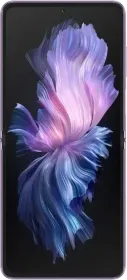
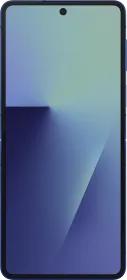
Samsung Galaxy Z Flip 8 5G versus Galaxy Z Flip 7 5G
These two Samsung models compete on the same ground, a year apart. The Flip 8 benefits from a hinge refined over several generations of iteration: the fold is more discreet, long-term durability better proven. The Flip 7 remains entirely recommendable — the essentials of the experience are already there, at a logically gentler price since it's the previous generation. For anyone who doesn't need the very latest iteration, the Flip 7 stays a rational choice.
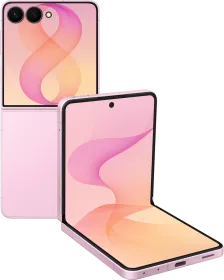
Vivo X Flip 4, the path of differentiation
Rather than following the template set by Samsung, Vivo bets on an external screen noticeably larger than the segment average. That choice changes actual use: more notifications readable without opening the phone, a front camera usable directly. It's the model that steps furthest off the beaten path in this lineup.
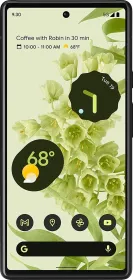
Google Pixel Flip, for Android purists
The Pixel Flip targets a specific profile: someone who wants the flip format without giving up the pure Android experience, no manufacturer overlay imposed, with Google's characteristic photo processing as a bonus.
Verdict
There's no single universal best choice here, only different priorities: maturity and reliability for the Flip 8, value for the Flip 7, originality for the Vivo, software purity for the Pixel Flip.
Products mentioned in this article