Standalone freezer: who needs one, and what volume in 2026?
Beyond the freezer compartment of a regular fridge, a dedicated freezer answers a very specific storage need.

Standalone freezer: who needs one, and what volume in 2026?
A standalone freezer only makes sense for a specific storage need: bulk shopping, garden or vegetable-patch produce, meat bought in large quantities, meals prepped weeks in advance. For everyday use, the freezer compartment of a double-door fridge is plenty.
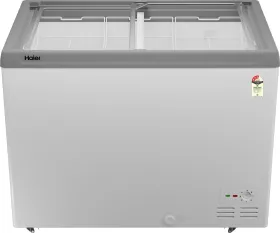
The Haier HFC-325G3, at 295 liters, remains the most compact in this lineup — already plenty for a household that simply wants to freeze leftovers and a few reserves without aiming for bulk storage.
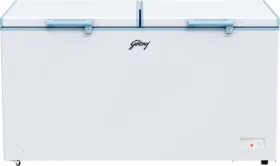
The Godrej DH ESNCH 430D, at 384 liters, marks a real change of scale: this volume suits a household that regularly buys in bulk, typically a large family or a household that pools its shopping with another.
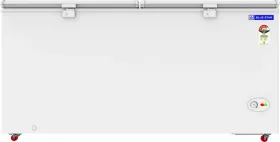
The Blue Star HT2-M425, at 391 liters, sits in the same category as the Godrej, with a slightly different internal layout — a detail that matters depending on the type of products stored, loose or stacked in boxes.
The Blue Star HT4-N575, finally, tops out at 500 liters: a volume built for near-professional use — significant vegetable-garden production, hunting, or occasional resale of frozen goods.
Before investing in this format, one question is worth asking honestly: is the volume of the freezer compartment already in the fridge actually enough, or does storage need justify a separate appliance, with the ongoing electricity consumption that entails?