Buying guide: choosing the right smartwatch in 2026
Battery life, health tracking, compatibility: the criteria that genuinely matter for a smartwatch.
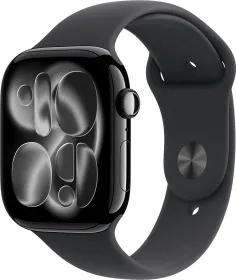
⌚ Buying guide: choosing the right smartwatch in 2026
Between sport tracking, notifications, and everyday health, smartwatches today cover very varied uses. This guide reviews the criteria that genuinely matter.
Smartphone compatibility, an often-overlooked prerequisite
Some smartwatches only work fully with a specific system, iOS or Android. Checking full compatibility with your smartphone before buying avoids losing important features once the watch is in hand.
Battery life, to weigh against the chosen screen
A bright AMOLED screen uses noticeably more power than a simpler screen, which reduces the advertised battery life accordingly. The trade-off between screen comfort and days of battery life is worth weighing against how often you're willing to recharge.
Health tracking, to match to actual needs
Not all watches offer the same level of detail in sleep, heart rate, or blood oxygen tracking. It's worth listing the metrics you'll actually track day to day rather than aiming for the most complete spec sheet.
Water resistance, for swimming or outdoor sports
Basic water resistance is enough for occasional rain, but swimming or water sports require deeper certification. This point is worth checking separately if these activities are part of your planned use.
Size and weight, for comfortable everyday wear
A watch worn continuously, including at night for sleep tracking, needs to stay comfortable over time. Case weight and thickness deserve particular attention, especially for slimmer wrists.
In summary
The right smartwatch choice mostly depends on smartphone compatibility, the balance between battery life and screen comfort, and the health metrics genuinely useful day to day. These practical criteria often matter more than the number of features listed on the product page.