Camera Buying Guide 2026: Mirrorless, Sensor, Lenses
A smartphone doesn't always replace a real camera. Here's how to choose between the different formats and avoid paying for features you'll never use.
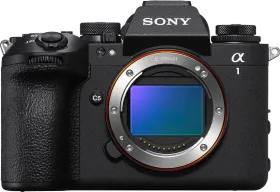
📷 Camera Buying Guide for 2026
Smartphones have considerably shrunk the consumer camera market, but for certain uses — serious photography, professional video, significant optical zoom — a real camera remains essential. The problem: the market has grown more complex, between mirrorless formats, sensors of different sizes, and lens systems that aren't interchangeable between brands.
This guide helps you choose without picking the wrong category.
Mirrorless, DSLR, or compact: which format to choose?
The mirrorless camera
Now the standard on the current market, the mirrorless camera replaces a DSLR's mechanical mirror with an electronic sensor. The result: a more compact and lighter body, an electronic viewfinder that shows an accurate preview of the final image, and generally faster autofocus.
The DSLR
Produced less and less by manufacturers, but still available used or as end-of-line stock. It keeps advantages for certain uses (longer battery life, a wide choice of older lenses), but it's no longer the go-to reference for a first purchase in 2026.
The expert compact
For those who want genuine image quality without the hassle of changing lenses, an expert compact with a large sensor remains a relevant option, especially for travel.
Sensor size: the criterion that most affects image quality
At equal resolution, a larger sensor captures more light, which improves image quality, particularly in low light and for background blur in portraits.
- Micro Four Thirds: the most compact format, light bodies and lenses, a good compromise for travel.
- APS-C: the most common format among advanced amateurs, a good balance of quality, price, and bulk.
- Full frame: the best image quality available, at the cost of a higher budget and more weight, for both the body and the lenses.
The lens system: a choice that commits you long term
Unlike a smartphone, an interchangeable-lens camera locks you into a brand's ecosystem. Once you've bought several lenses, switching brands becomes expensive. Before buying a body, check the availability and price of the lenses you'll actually need (portrait, wide-angle, telephoto) rather than choosing based solely on the body's spec sheet.
Photo or video: your priorities change the right choice
If video is a priority for you, specifically check:
- Maximum resolution and frame rate without sensor crop
- The presence of an external microphone input
- Continuous video recording battery life, often more limited than for photos
- Stabilization, especially important if you shoot handheld
Comparison table: which format for your use?
| Use | Recommended format | Priority |
|---|---|---|
| Travel, lightweight | Micro Four Thirds or expert compact | Weight and bulk |
| Advanced amateur photography | APS-C mirrorless | Value for money |
| Professional photography | Full frame | Maximum image quality |
| Video and content creation | Mirrorless with good stabilization | Advanced video features |
Common mistakes to avoid
Focusing only on megapixels. Beyond a certain threshold, sensor size and lens quality matter far more than the raw megapixel count for final image quality.
Underestimating the lens budget. The body is often only part of the total budget: a good lens can cost as much as, or even more than, the body itself.
Choosing a closed system without checking the ecosystem. Some brands offer fewer compatible third-party lenses than others, which can limit your options and drive up prices over the long term.
Conclusion
Before comparing spec sheets, clearly define your main use: lightweight travel, portraits, video, or demanding professional photography. That criterion, far more than brand or megapixel count, should guide your choice of format and sensor size — a good camera is above all one that matches what you're actually going to photograph.